
Knee Ligament Injuries
You are here:
เอ็นเข่าบาดเจ็บ คืออะไร (1)

What Are Knee Ligament Injuries?

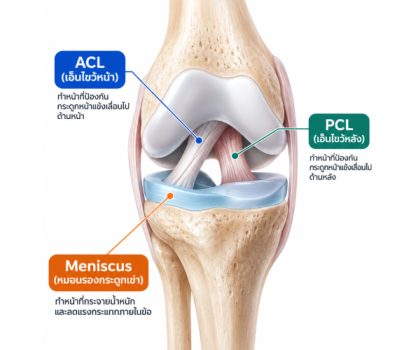
The knee consists of several important structures that help maintain stability and absorb shock, including:
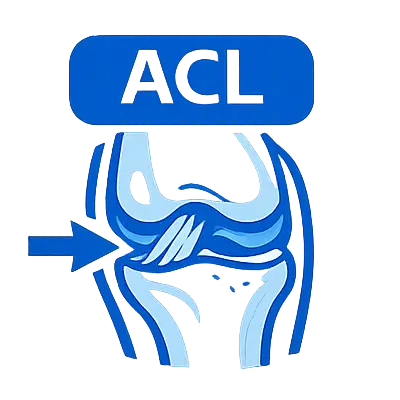
เอ็นไขว้หน้า (ACL)

Anterior Cruciate Ligament (ACL)

Prevents the shinbone from moving forward and helps control rotational movement of the knee.
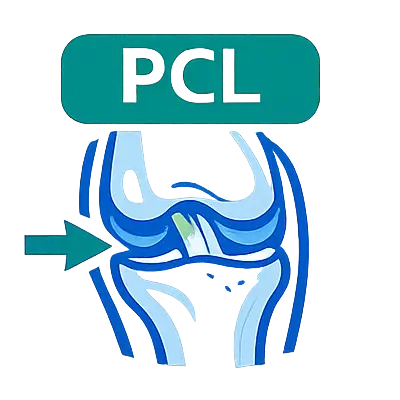
เอ็นไขว้หลัง (PCL)

Posterior Cruciate Ligament (PCL)

Prevents the shinbone from moving backward.
หมอนรองกระดูกเข่า (Meniscus)

Meniscus

Helps absorb shock, distribute weight, and protect the knee joint.
Causes of Knee Injuries

Common causes include:
เล่นกีฬา

Sports Injuries

Such as football, basketball, badminton, and skiing.

เปลี่ยนทิศทางกะทันหัน

Sudden Changes in Direction

Rapidly changing direction or pivoting can place significant stress on the knee ligaments.

ลงพื้นผิดจังหวะ

Awkward Landing

Landing incorrectly after a jump can cause ligament or meniscus injuries.

อุบัติเหตุทางรถยนต์

Motor Vehicle Accidents

High-impact trauma from a vehicle accident can damage the knee ligaments.
หกล้ม หรือเข่าบิด

Falls or Twisting Injuries

A fall or sudden twisting motion of the knee can result in ligament or meniscus damage.
Symptoms to Watch For

Non-Surgical Treatment

When Is Surgery Recommended?

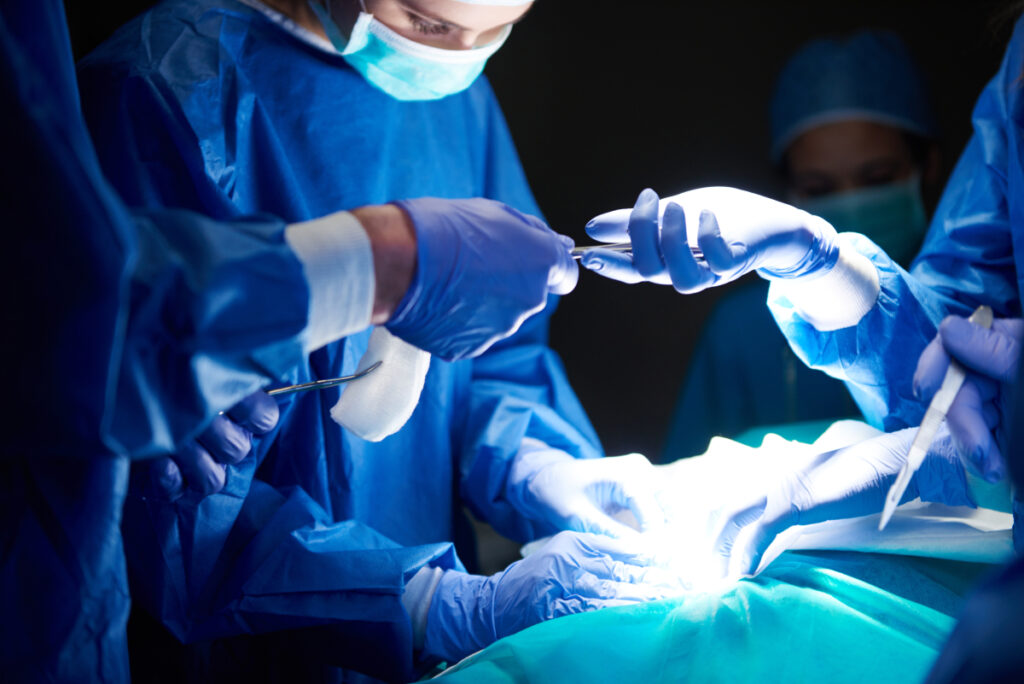
การผ่าตัดส่องกล้องข้อเข่า

How Is the Surgery Performed?

Most cases requiring surgery are treated with Arthroscopic Knee Surgery.

Treatment may include:

ACL or PCL reconstruction using the patient’s own tendon or a donor tendon
Meniscus repair or partial meniscectomy, depending on the type and location of the tear

Arthroscopic surgery uses small incisions and generally causes less tissue damage, with a faster recovery compared with traditional open surgery.

Hospital Stay

Typically 1–3 nights, although some patients may be able to return home on the same day.

Recovery Timeline

  • Walking within a few days, using walking aids when appropriate
  • Returning to office work in approximately 1–2 weeks
  • Returning to running in approximately 3–4 months
  • Returning to full sports activities in approximately 6–9 months

Recovery time varies depending on the type and severity of the injury, the surgical procedure performed, and the patient’s rehabilitation progress.

Frequently Asked Questions

The ACL and PCL are ligaments that help stabilize the knee joint, while the meniscus acts as a shock absorber and helps distribute weight within the knee. Each type of injury has different symptoms and treatment options.
Common symptoms include knee pain, sudden swelling after an injury, a popping sound at the time of injury, knee instability, a feeling that the knee is giving way, or difficulty fully bending or straightening the knee.
Not necessarily. Treatment depends on the severity of the injury, the patient’s age, activity level, and personal goals. Your doctor will assess your condition and recommend the most appropriate treatment, which may include physical therapy or surgery.
Some meniscus tears can be treated without surgery. However, tears in areas with limited blood supply, or those causing persistent pain, knee locking, or difficulty using the knee, may require surgery.
The doctor will review your medical history and perform a physical examination. Additional imaging may include X-rays to assess the bones and MRI to provide a detailed evaluation of the knee ligaments and meniscus.
Recovery time depends on the type and severity of the injury and the treatment performed. Patients generally need ongoing physical therapy, and it may take several months before returning to sports or activities that place significant demands on the knee.

Don't Let Knee Pain Become a Long-Term Problem

Early and accurate diagnosis and treatment can help reduce the risk of recurrent injury and improve your chances of returning to daily activities and sports with confidence.