
Recurrent-Shoulder-Dislocation
You are here:

What Is Recurrent Shoulder Dislocation?

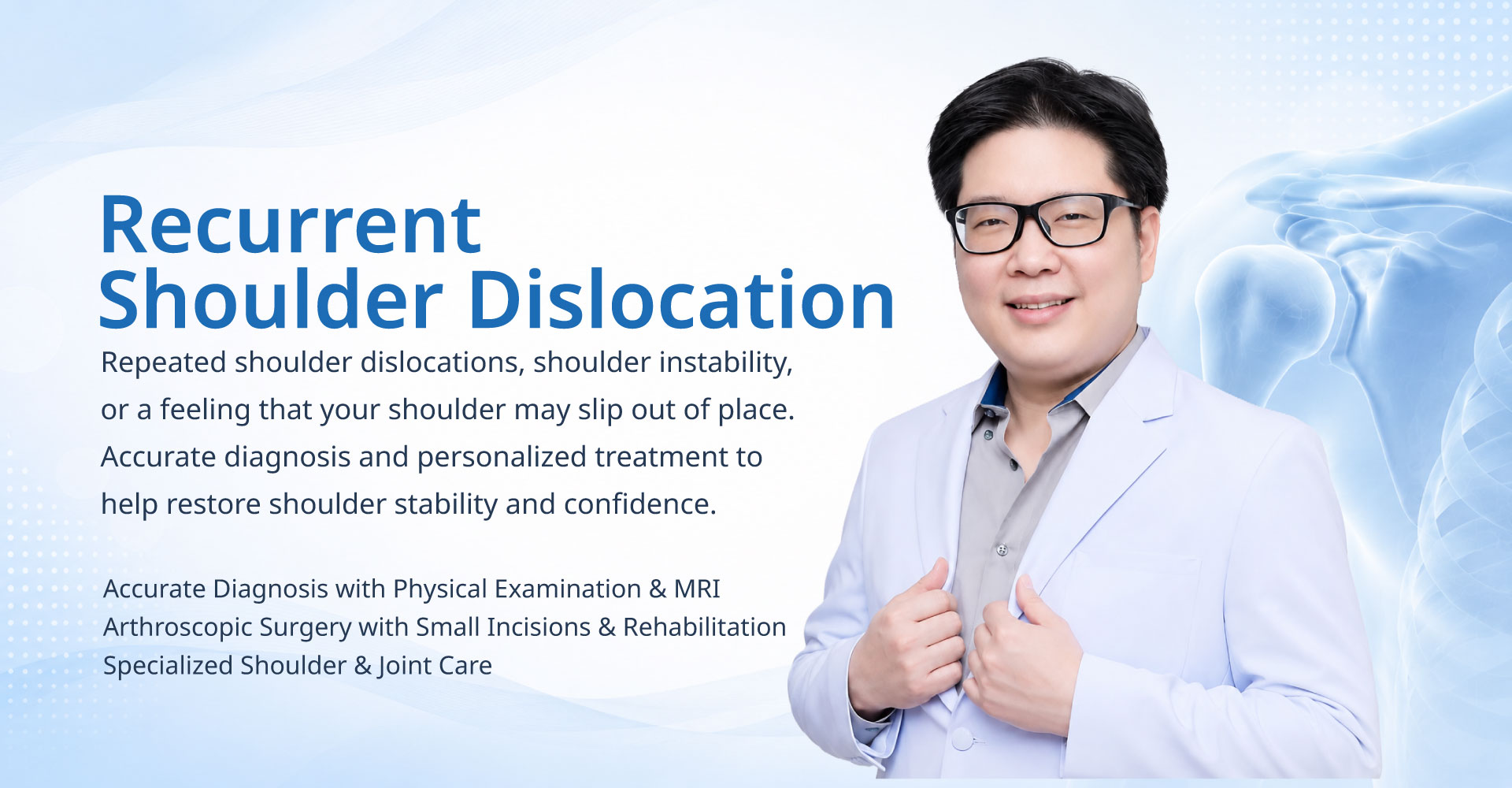
The shoulder is the most mobile joint in the body. After a shoulder dislocation, the ligaments and surrounding tissues may become torn or damaged, causing shoulder instability and increasing the risk of recurrent dislocation.
ข้อไหล่หลุดซ้ำ

Causes of Shoulder Injury

Common causes include:

Symptoms to Watch For

Non-Surgical Treatment

When Is Surgery Recommended?

การผ่าตัดส่องกล้องข้อเข่า

How Is the Surgery Performed?

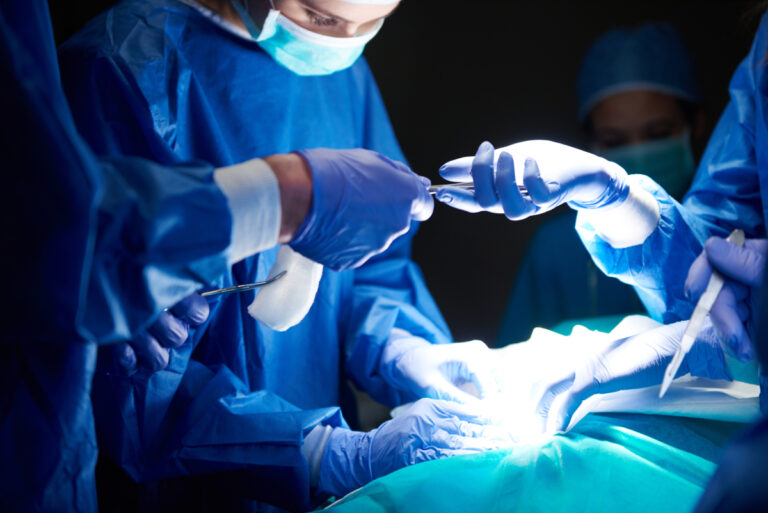
In most cases, arthroscopic shoulder stabilization with Bankart repair is performed to repair the damaged shoulder ligament and restore joint stability.

If there is significant bone loss or damage, a bone transfer procedure may also be required.

Hospital Stay
Approximately 1–2 nights

Recovery
  • Wear a sling for 4–6 weeks
  • Continue physical therapy
  • Return to sports in approximately 4–6 months

Frequently Asked Questions – Recurrent Shoulder Dislocation

Recurrent shoulder dislocation commonly occurs when the ligaments and surrounding tissues are damaged during the initial dislocation. This can make the shoulder unstable and more likely to dislocate again, particularly during sports or activities that place significant stress on the shoulder.
Yes. The risk of recurrent dislocation is higher in younger patients at the time of the first dislocation, as well as in people who participate in contact sports or activities that place significant stress on the shoulder.
In some cases, yes. Treatment may focus on physical therapy, strengthening the muscles around the shoulder blade and joint, and avoiding movements that may trigger another dislocation.
A doctor may recommend surgery when the shoulder has dislocated repeatedly, there is significant instability, the ligaments or bones are damaged, or the patient wishes to return to contact sports.
Patients typically stay in the hospital for approximately 1–2 nights. After surgery, a sling is generally worn for 4–6 weeks, followed by continued physical therapy to restore shoulder movement and strength.
Patients can gradually return to activities as recovery progresses. In general, returning to sports may take approximately 4–6 months, depending on the type of sport, the patient’s symptoms, and assessment by the orthopedic surgeon and physical therapist.

Don't Let Recurrent Shoulder Dislocation Affect Your Life

Early and appropriate diagnosis and treatment can help reduce the risk of recurrent dislocation, restore shoulder movement, and improve confidence in daily activities and sports.