




Spinal Degeneration

What Is Spinal Degeneration?

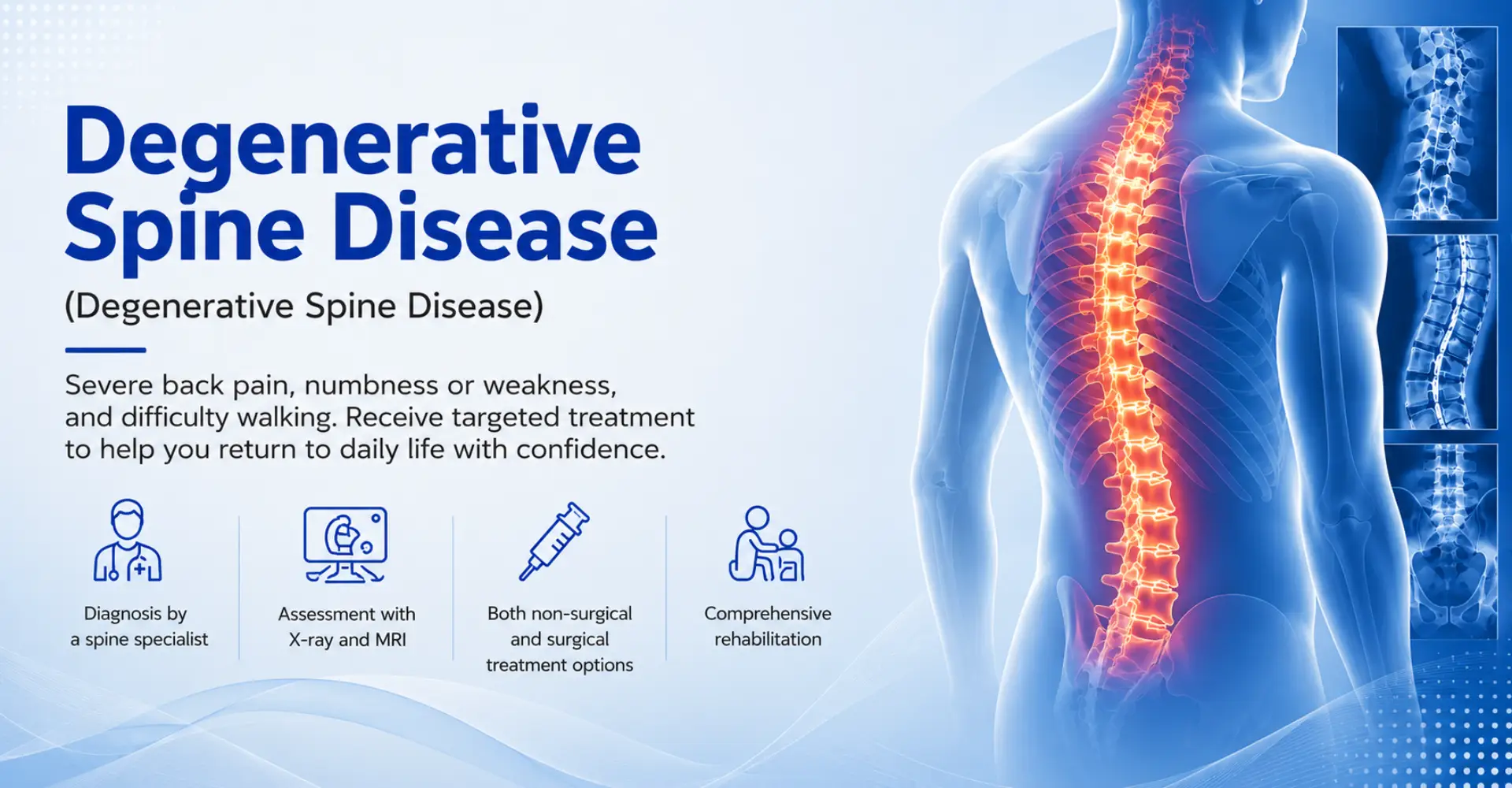
Spinal degeneration is a condition in which the intervertebral discs, joints, and ligaments of the spine gradually deteriorate with age. It can cause back pain, neck pain, and, in some cases, nerve compression, affecting movement and daily activities.

Causes and Risk Factors

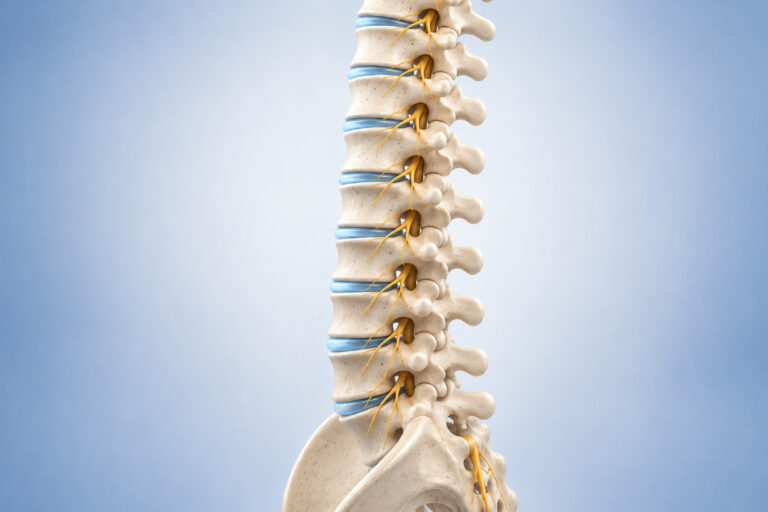
Anatomy กระดูกสันหลังแบบ 3D

Symptoms to Watch For

Non-Surgical Treatment

When Is Surgery Recommended?

การผ่าตัดส่องกล้องข้อเข่า

How Is the Surgery Performed?

Depending on the underlying cause, surgery may involve nerve decompression or spinal fusion surgery with instrumentation to improve the stability of the spine.

Hospital Stay

Approximately 2–5 days

Recovery Time

Begin walking within 1–2 days after surgery
Return to light work in approximately 4–8 weeks
Continue recovery for approximately 3–6 months

Frequently Asked Questions

Spinal degeneration is a condition in which the intervertebral discs, joints, and other structures of the spine gradually deteriorate due to aging and long-term use. It can cause back pain, neck pain, and, in some cases, nerve compression.
Common symptoms include chronic back pain, neck pain, and morning back stiffness. If nerves are compressed, symptoms may include pain radiating to the arms or legs and reduced walking distance.
Common causes and risk factors include aging, long-term strain on the spine, being overweight, regularly lifting heavy objects, and genetics.
Yes. Treatment may include medication, physical therapy, exercises to strengthen the back and core muscles, weight management, and anti-inflammatory injections in some cases.
may be considered when chronic pain interferes with daily activities, walking ability is reduced due to nerve compression, weakness develops, or symptoms do not improve despite comprehensive non-surgical treatment.
Patients typically stay in the hospital for approximately 2–5 days and can usually begin walking within 1–2 days after surgery. Returning to light work may take around 4–8 weeks, while continued recovery may take approximately 3–6 months, depending on the type of surgery and individual recovery.

Don’t Let Chronic Back or Neck Pain Affect Your Quality of Life

Consult a spine specialist for an accurate diagnosis and targeted treatment to help improve your quality of life.

Medical Team

นพ. ปรัชญ์ กำลังสินเสริม

Prach Kamlangsinserm, M.D.

Orthopedic Surgery Specialized in Arthroscopic Surgery
Doctor’s Profile +
นพ. พัลลภ ถิระวานิช

Panlop Tirawanish, M.D.

Orthopedic Surgery Specialized in Endoscopic Spine Surgery
Doctor’s Profile +
พญ ชุติมา ลีวัชรารุ่งเจริญ

Chutima Leewatchararoonjaroen, M.D.

Anesthesiologist Specialized in Regional Anesthesia
Doctor’s Profile +

Health Articles

Is Joint Cracking or Popping Dangerous?

Is Joint Cracking or Popping Dangerous?

The “cracking,” “popping,” or “clicking” sounds you hear when moving a joint are very common and do not necessarily mean that you have osteoarthritis. These sounds may be caused by changes in pressure within the joint fluid, the movement of tendons or ligaments, or friction between structures inside the joint. However, if joint noises occur…

อ่านเพิ่มเติม +
Does Running Cause Knee Osteoarthrites?

Does Running Cause Knee Osteoarthrites?

Many people worry that running regularly may cause knee osteoarthritis to develop faster. However, the reality is that running at an appropriate level, combined with proper physical preparation, does not necessarily lead to knee degeneration. In fact, appropriate exercise can help strengthen the muscles around the knees and maintain a healthy body weight, both of…

อ่านเพิ่มเติม +
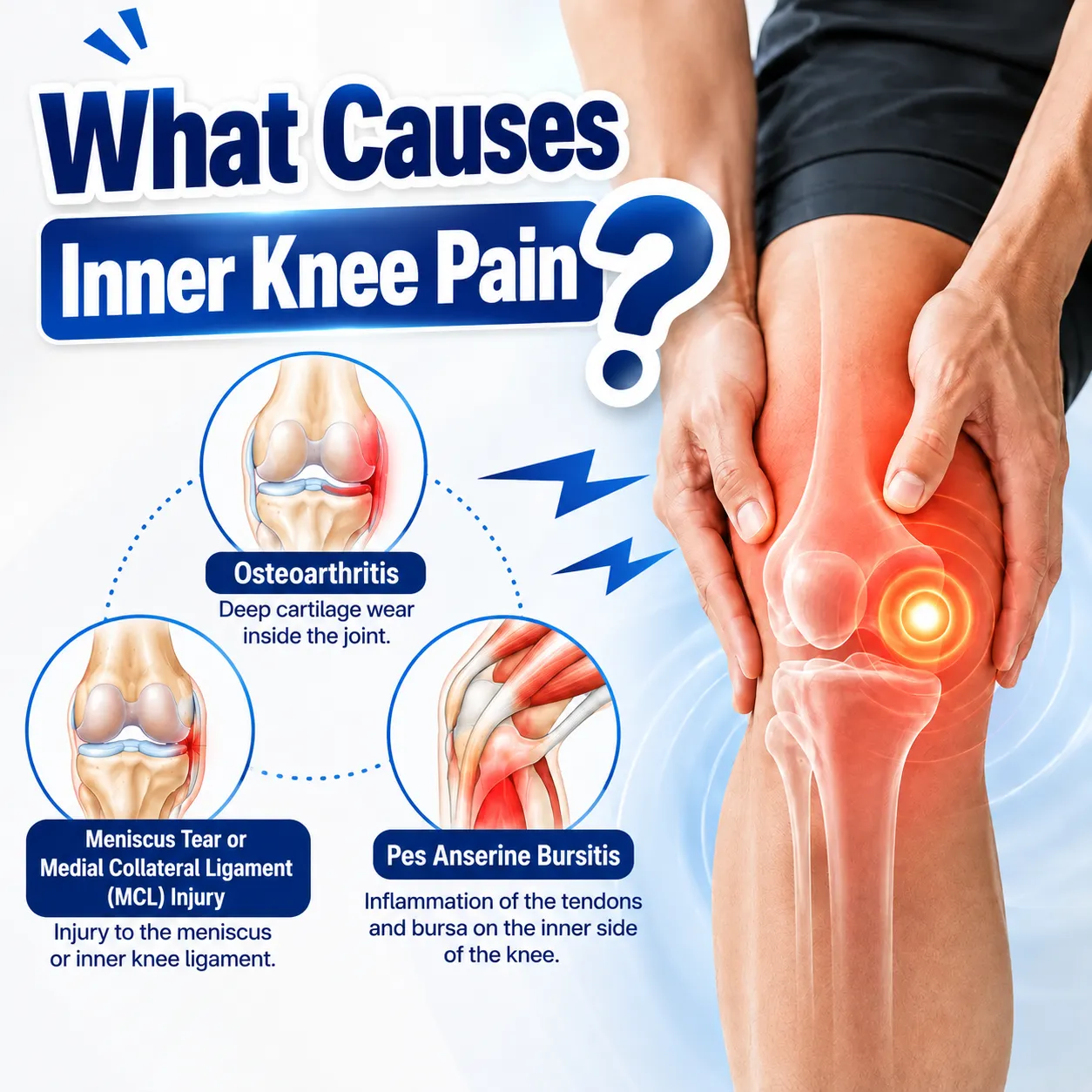
What Causes Inner Knee Pain?

What Causes Inner Knee Pain?

Inner knee pain can occur for many different reasons. In older adults, it is often associated with medial compartment knee osteoarthritis, which is more common in people with bow legs or excess body weight. These factors can increase pressure on the inner surface of the knee joint. In working-age adults and athletes, sudden inner knee…

อ่านเพิ่มเติม +