
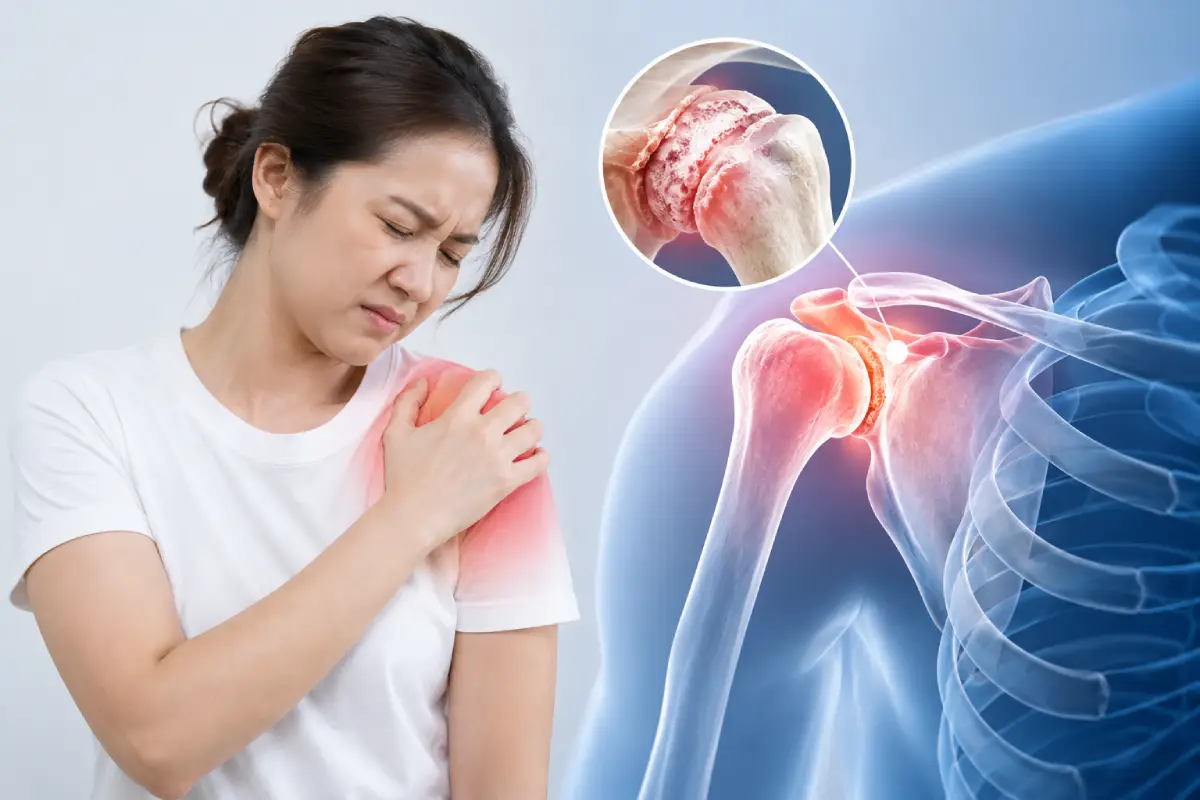

What Is Shoulder Osteoarthritis?
Shoulder osteoarthritis occurs when the cartilage inside the shoulder joint gradually wears down, causing the bones to rub against each other. This can lead to pain, stiffness, and reduced range of motion.
If left untreated, symptoms may progressively worsen and interfere with daily activities.
Causes and Risk Factors
Aging
The risk of shoulder osteoarthritis increases with age.
Prolonged Heavy Use
Repetitive or heavy use of the shoulder over a long period can contribute to joint degeneration.
Previous Shoulder Fracture
A previous fracture around the shoulder joint may increase the risk of osteoarthritis.
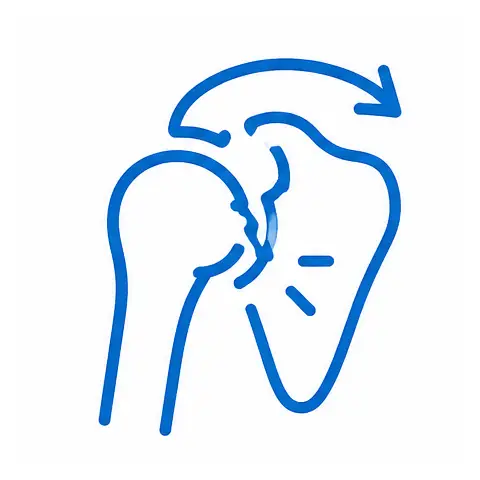
Previous Shoulder Dislocation
A history of shoulder dislocation can contribute to joint damage and degeneration.
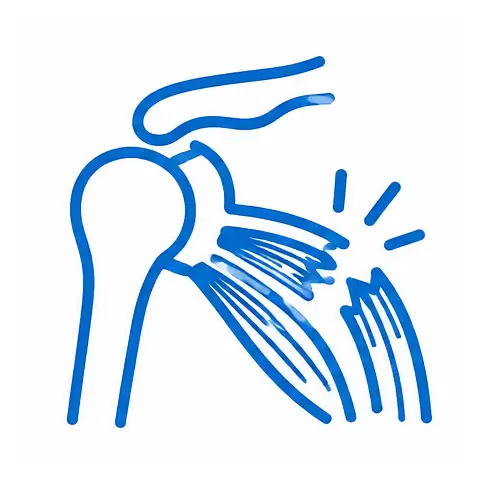
Chronic Rotator Cuff Tear
Long-standing rotator cuff tears may lead to progressive changes in the shoulder joint.

Rheumatoid Arthritis
Inflammatory conditions such as rheumatoid arthritis can damage the shoulder joint and contribute to osteoarthritis.

Symptoms to Watch For
- Chronic shoulder pain
- Shoulder stiffness and limited movement
- Grinding or clicking sounds in the shoulder
- Difficulty raising the arm fully
- Shoulder pain at night
Non-Surgical Treatment
- Pain-relieving medication
- Physical therapy
- Intra-articular injections in selected cases
- Activity modification
When Is Surgery Recommended?
- Severe pain persists despite appropriate treatment
- Shoulder problems significantly interfere with daily activities
- The joint has progressed to an advanced stage of degeneration
How Is the Surgery Performed?
Shoulder osteoarthritis may be treated with Shoulder Replacement Surgery, in which the damaged joint surfaces are replaced with artificial components. The procedure aims to relieve pain and improve shoulder movement.
Hospital Stay
Approximately 2–3 days
Recovery
- Physical therapy begins shortly after surgery.
- Most patients can resume general daily activities in approximately 6-8 weeks.
- Continued recovery and rehabilitation may take approximately 3-6 months.
Frequently Asked Questions
What is shoulder osteoarthritis?
Shoulder osteoarthritis is a condition in which the cartilage inside the shoulder joint wears down, causing the bones to rub against each other. This can result in pain, stiffness, and limited shoulder movement.
What are the symptoms of shoulder osteoarthritis?
Common symptoms include chronic shoulder pain, pain or clicking when moving the shoulder, stiffness, and difficulty raising the arm or reaching for objects. Symptoms may become more noticeable with activity.
What causes shoulder osteoarthritis?
Possible causes include aging, repetitive use of the shoulder, previous shoulder injuries or fractures, arthritis, and chronic rotator cuff tears.
How is shoulder osteoarthritis diagnosed?
The doctor will review your medical history and perform a physical examination. Additional tests, such as X-rays, may be used to assess the extent of joint degeneration. An MRI may also be recommended to evaluate the rotator cuff, muscles, and other soft tissues around the shoulder.
Can shoulder osteoarthritis be treated without surgery?
Yes. Many cases can initially be managed with medication, physical therapy, activity modification, and, in some cases, intra-articular injections. The appropriate treatment depends on the severity of the condition.
When is shoulder replacement surgery recommended?
Shoulder replacement surgery may be considered when a patient has severe and persistent pain, advanced shoulder joint degeneration, symptoms that do not improve with other treatments, or significant difficulty with daily activities. The goal is to reduce pain and restore shoulder function.
Don’t Let Chronic Shoulder Pain Affect Your Daily Life
Early and appropriate diagnosis and treatment can help reduce pain, improve joint mobility, and help you return to your daily activities with greater confidence.


